
Understanding Customer Segmentation in Ad Campaigns
7 mins read
Table of Contents
Introduction
What is Customer Segmentation?
Why Segmentation Matters in Advertising
Types of Customer Segmentation
How Programmatic Enhances Segmentation
Case Study: Segmenting for Success
Common Mistakes to Avoid
Final Thoughts
Call to Action
Introduction
Running ads without proper targeting is like shouting in a noisy market; you might be loud, but are you being heard by the right people? That’s where customer segmentation comes in.
For marketers and advertisers, especially in Africa’s fast-growing digital ecosystem, customer segmentation is no longer optional. It’s the engine that drives higher ROI, better engagement, and more meaningful brand experiences.
So, what exactly is customer segmentation, and why should it be a core part of every ad campaign? Let’s break it down.
What is Customer Segmentation?
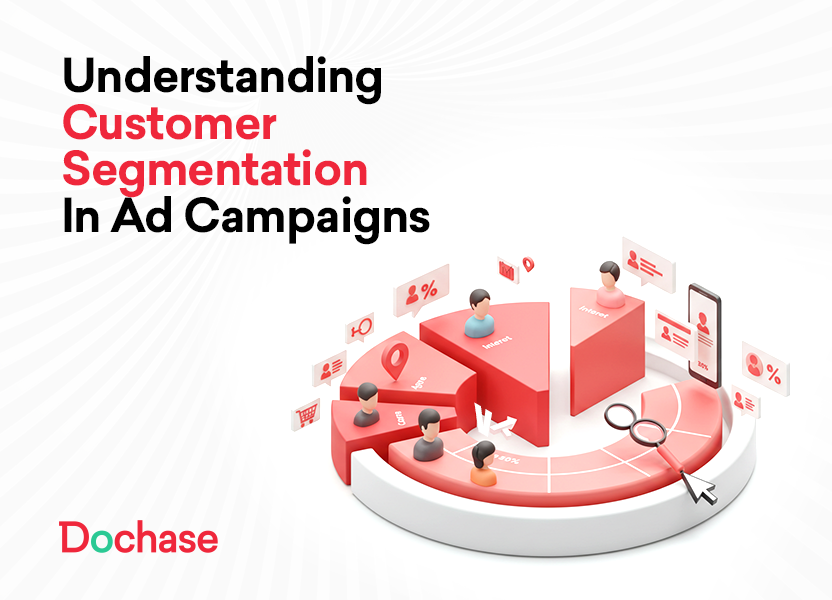
Customer segmentation is the process of dividing your audience into distinct groups based on shared characteristics, behaviors, or needs. Instead of targeting “everyone,” segmentation allows advertisers to deliver more relevant messages to smaller, more defined groups.
Why Segmentation Matters in Advertising
Imagine you’re running a campaign for a skincare brand. A 22-year-old university student in Lagos likely has different skincare concerns than a 40-year-old banker in Abuja. Sending them the same message is inefficient at best; and a missed opportunity at worst.
Here’s why segmentation is crucial:
- Precision Targeting: Avoids waste by reaching only the audiences that matter.
- Higher Engagement: Relevant messages = more clicks, views, and conversions.
- Better ROI: Personalized ads lead to higher conversion rates.
- Informed Strategy: Segmentation data feeds into product development, content strategy, and customer service.
Types of Customer Segmentation
Let’s explore the main types of segmentation used in ad campaigns:
1. Demographic Segmentation
Based on measurable statistics:
- Age
- Gender
- Income
- Education level
- Marital status
Use Case: Targeting male Gen Z consumers aged 18–24 with urban fashion ads.
2. Geographic Segmentation
Based on physical location:
- Country
- Region
- City
- Climate or time zone
Use Case: Running different creative ads for customers in Lagos vs. Nairobi to reflect cultural context.
3. Psychographic Segmentation
Based on personality, values, interests, or lifestyles:
- Attitudes
- Hobbies
- Motivations
- Beliefs
Use Case: Targeting environmentally conscious shoppers with ads for eco-friendly cleaning products.
4. Behavioral Segmentation
Based on user behavior:
- Purchase history
- Browsing habits
- Loyalty
- Usage frequency
Use Case: Retargeting people who added a product to their cart but didn’t complete the purchase.
5. Technographic Segmentation
Based on the technology users prefer:
- Device type
- Browser
- Mobile vs. desktop usage
- App downloads
Use Case: Optimizing a fintech app campaign for Android users in emerging markets.
How Programmatic Advertising Makes Segmentation Smarter
Traditional media segmentation often relies on assumptions. But with programmatic advertising, platforms like Dochase Adx use real-time data and machine learning to segment audiences dynamically.
This allows advertisers to:
- Create micro-segments in real time
- Automatically test and optimize messages
- Adjust delivery based on audience behavior on the fly
Case Study: Segmenting for Success
A beauty e-commerce brand using Dochase segmented its audience into:
- First-time visitors
- Repeat buyers
- High-spending customers
- Price-sensitive browsers
Each group received tailored ads:
- Discounts for first-time buyers
- Exclusive offers for loyal customers
- Budget bundles for price-sensitive users
The result? A 28% boost in overall conversions within four weeks and a 40% drop in cart abandonment.
Common Mistakes to Avoid
While segmentation is powerful, it can backfire if done poorly. Avoid these traps:
- ❌ Over-segmenting: Too many segments can dilute impact and stretch your budget thin.
- ❌ Outdated data: Using stale information leads to irrelevant targeting.
- ❌ Ignoring mobile behavior: In Africa, mobile dominates – segment accordingly.
- ❌ Siloed campaigns: Integrate segmentation insights across marketing, not just ads.
Final Thoughts
Customer segmentation isn’t just a marketing tactic; it’s a strategic advantage. Whether you’re selling telecom services in Ghana or fashion in Kenya, segmentation allows you to speak directly to the people who matter, in ways that matter.
Call to Action
At Dochase Adx, we help brands harness advanced data segmentation and programmatic delivery to reach the right audience with the right message, at the right time.
Ready to segment smarter and perform better?
Let’s get your campaigns talking to the right people.
Contact Dochase today to get started
Share this article
Stay up to date !
Subscribe to our newsletter to get inbox notifications.
Sign up to our newsletter ↓